_edited.jpg)
Car Headlight Replacement Guide: Safely Replace Your Headlight Bulbs
- tadisus
- May 4
- 4 min read
Driving safely at night or in poor weather depends heavily on your headlights. When a bulb burns out, it is essential to replace it promptly to maintain clear visibility and comply with road safety regulations. This guide will walk you through the process of safely replacing your headlight bulbs, helping you save time and money while ensuring your vehicle remains roadworthy. www.headlightsrepair.ie
Understanding the Car Headlight Replacement Guide
Headlights come in different types, including halogen, LED, and xenon bulbs. Each type requires a slightly different approach for replacement. Before starting, check your vehicle’s manual to identify the correct bulb type and specifications. Using the wrong bulb can reduce visibility or damage your headlight assembly. www.headlightsrepair.ie
When replacing bulbs, safety is paramount. Always work with the engine off and the keys removed from the ignition. Allow the bulbs to cool down if they were recently on, as they can become very hot. Wear gloves or use a clean cloth to handle the new bulbs to avoid oils from your skin causing damage or shortening the bulb’s lifespan.

Tools and Materials Needed for Headlight Bulb Replacement
Before you begin, gather the necessary tools and materials. This preparation will make the process smoother and safer.
New headlight bulbs (check your vehicle manual for the correct type)
Gloves or a clean cloth
Screwdriver (usually Phillips or flathead)
Owner’s manual for specific instructions
Safety glasses (optional but recommended)
Having these items ready will help you avoid interruptions and reduce the risk of damaging your vehicle or the new bulbs. www.headlightsrepair.ie
Can I Replace a Headlight Bulb Myself?
Yes, in most cases, you can replace a headlight bulb yourself. Many modern vehicles are designed to allow easy access to the headlight assembly. However, some models may require removing parts like the battery or air filter box to reach the bulb.
Here are some tips to help you decide if you should do it yourself:
Check your vehicle manual: It often includes step-by-step instructions.
Assess your comfort level: If you feel unsure about handling electrical components, seek professional help.
Consider the bulb type: Some bulbs, like xenon or LED, may require special handling or tools.
Safety first: Always disconnect the battery if you are working near electrical components.
If you decide to proceed, follow the instructions carefully and take your time. Replacing a headlight bulb is a straightforward task for most car owners. www.headlightsrepair.ie
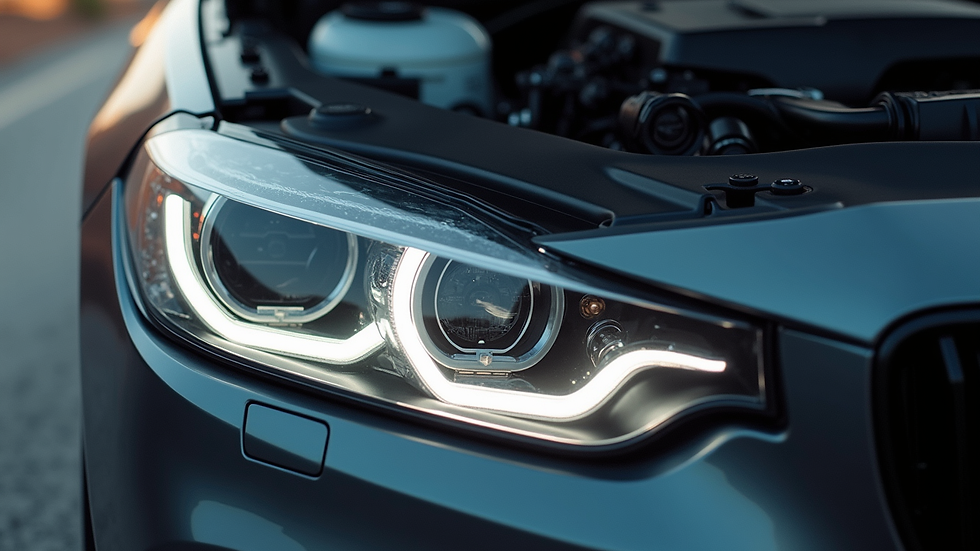
Step-by-Step Guide to Safely Replace Your Headlight Bulbs
Follow these steps to replace your headlight bulbs safely and effectively:
Turn off the engine and remove the keys. Ensure the car is parked on a flat surface and the parking brake is engaged.
Open the bonnet and locate the headlight assembly. Consult your manual if you are unsure.
Remove the cover or dust cap from the back of the headlight. This may require unscrewing or unclipping.
Disconnect the electrical connector from the bulb. Gently pull it off without forcing.
Remove the old bulb. This may involve twisting or unclipping it from the socket.
Handle the new bulb with gloves or a clean cloth. Avoid touching the glass part.
Insert the new bulb into the socket. Make sure it is secure and properly aligned.
Reconnect the electrical connector.
Replace the cover or dust cap.
10. Test the new bulb by turning on your headlights. Check both low and high beams.
11. Close the bonnet securely.
If the bulb does not light up, double-check the connections and the bulb type. If problems persist, consult a professional. www.headlightsrepair.ie
Tips for Maintaining Your Headlights and Bulbs
Proper maintenance can extend the life of your headlights and improve your driving safety. Here are some practical tips:
Clean your headlights regularly. Dirt and grime reduce light output.
Check your bulbs periodically. Replace any that show signs of dimming or flickering.
Avoid touching the glass of halogen bulbs. Oils from your skin can cause hot spots and premature failure.
Inspect headlight alignment. Misaligned headlights can reduce visibility and dazzle other drivers.
Use quality bulbs. Cheap bulbs may save money upfront but often have shorter lifespans.
By following these tips, you can keep your headlights in good condition and avoid unexpected failures.
When to Seek Professional Help for Headlight Bulb Replacement
While many car owners can replace bulbs themselves, some situations require professional assistance:
If your vehicle uses complex headlight systems like xenon or LED that need special tools or programming.
If you encounter difficulty accessing the bulb or removing components.
If the headlight assembly is damaged or foggy and needs repair or replacement.
If you are unsure about electrical connections or safety procedures.
Professional services ensure the job is done correctly and safely, giving you peace of mind on the road.
Final Thoughts on Safely Replacing Your Headlight Bulbs
Replacing your headlight bulbs is a vital part of vehicle maintenance. It ensures you have clear visibility and comply with road safety laws. By following this car headlight replacement guide, you can perform the task safely and efficiently. Remember to use the correct bulbs, handle them carefully, and test your headlights after installation.
If you prefer, you can always rely on experts for headlight bulb replacement to guarantee quality and safety. Keeping your headlights in top condition protects you and others on the road.
Stay safe and drive with confidence.


Comments